1) Social & Behavior Change Communication (SBCC) and Community Data
Problem (Tanzania)
Only 51% of women in Tanzania complete 4 or more antenatal visits, and fewer than 30% start in the first trimester. Myths and cultural barriers reduce uptake of family planning, ANC, and vaccination services. National surveys show that over 35% of rural households still lack access to safe water, fueling preventable diseases like diarrhea. Many programs are not tailored to community realities because local-level data is weak or underused.
McF Approach
- Use community dialogues, radio dramas, local theater, and peer educators to share accurate health information and shift behaviors.
- Collect real-time data from community health workers (CHWs) on health service use, barriers, and myths.
- Involve local leaders, youth, and women’s groups as champions for behavior change.
- Tailor SBCC campaigns to priority issues in Tanzania: ANC attendance, exclusive breastfeeding, vaccination, malaria prevention, and HIV testing.

2) Simulation-Based Training for Health Workers
Problem (Tanzania)
Tanzania faces a shortage of health workers, with only 4.4 doctors, nurses, and midwives per 10,000 people—well below the WHO recommended minimum of 23 per 10,000. Continuous professional training is limited, especially in rural areas, and often uses outdated classroom methods. Many health workers lack confidence in handling emergencies such as postpartum hemorrhage, eclampsia, and newborn resuscitation.
McF Approach
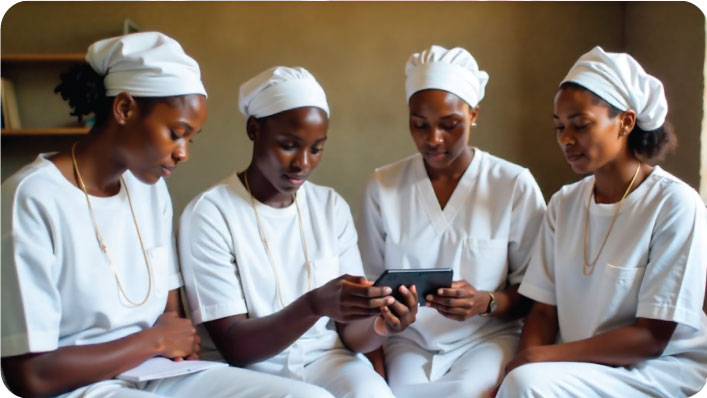
- Develop low-cost simulation-based training modules that can be used online or offline.
- Train healthcare workers in real-life emergency scenarios such as obstetric emergencies, neonatal resuscitation, and infection control.
- Provide CHWs with digital tools for practical case simulations on ANC counseling, immunization, and nutrition.
- Partner with Tanzanian training institutions to integrate simulation learning into national health worker training curricula.
3) Increasing ANC Uptake through SBCC
Problem (Tanzania)
Around 11,000 Tanzanian mothers die annually from pregnancy or childbirth complications, many of which could be prevented with timely ANC. Less than one-third of pregnant women begin ANC in the first trimester. Common barriers include myths (e.g., “first pregnancy should be kept secret”), lack of decision-making power for women, and distance to health facilities.
McF Approach
- Design targeted SBCC campaigns that highlight the benefits of early ANC for mother and baby.
- Use male partner engagement and family-centered messaging to reduce decision making barriers.
- Deploy CHWs for household visits to identify pregnancies early and encourage ANC attendance.
- Introduce mobile reminders and village ANC registers to reduce missed visits.
- Work with health facilities to improve the quality of ANC services, so women feel welcomed and respected.

4) Midwife-Led Birthing Centers (Social Enterprise)
Problem
In rural Tanzania, many women deliver at home without skilled assistance, increasing risks of complications. Public hospitals are often overcrowded, and underprivileged women face poor quality or disrespectful care. Transportation delays are a major barrier, with many villages more than 10 km away from the nearest facility.
McF Approach
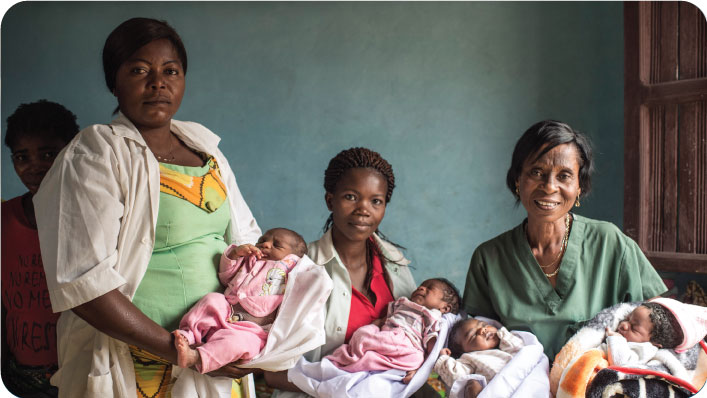
- Establish midwife-led birthing centers in underserved communities, operated as social enterprises with affordable or subsidized fees.
- Provide 24/7 maternity services with skilled midwives offering respectful, women centered care.
- Offer integrated services including ANC, safe delivery, family planning, breastfeeding support, and counseling.
- Build referral systems linking centers to district hospitals for emergency cases.
- Empower midwives as community leaders and entrepreneurs, creating jobs while expanding access to dignified maternity care.
5) Youth SRHR and Empowerment
Problem
1 in 4 Tanzanian girls aged 15–19 is already a mother or pregnant. Teenage pregnancy contributes significantly to school dropout, poverty, and maternal mortality. Youth often lack access to contraception, face stigma from providers, and have limited SRHR knowledge. Unemployment and lack of empowerment expose young people—especially young women—to poor health and socio-economic risks.
McF Approach
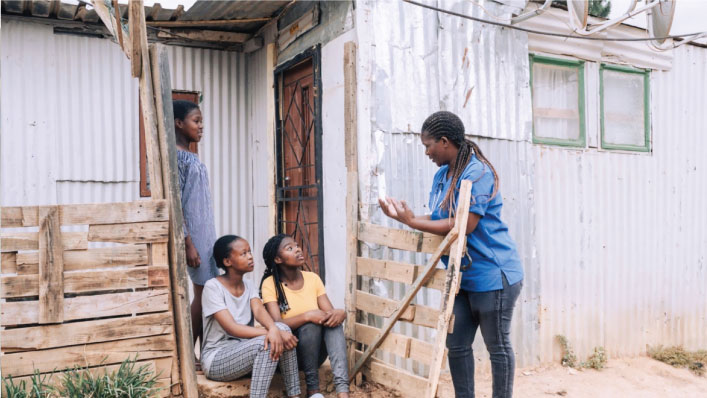
- Deliver youth-friendly SRHR services in schools, youth centers, and communities, including contraception, menstrual health, HIV testing, and counseling.
- Train and deploy peer educators to share accurate SRHR information and challenge stigma.
- Integrate SRHR with life skills training, mentorship, and economic empowerment programs (vocational training, savings groups).
- Establish safe spaces where young people can access health education, counseling, and support without fear of judgment.
- Involve youth in program design and leadership to ensure interventions are relevant, inclusive, and empowering.
Join Us
Empower Women through improved
Maternity Care.


